Promoted Posts
Recovery is one of the biggest limiting factors in fitness, especially for older adults, people with disabilities, individuals with chronic illnesses, and those returning to exercise after years of inactivity. Improving recovery isn't about finding one "magic" solution—it's about optimizing dozens of small factors that collectively reduce stress on the body and improve adaptation.


Here are many evidence-based strategies organized by category.


Exercise Programming
Reduce workout intensity
Reduce workout duration
Increase rest days between workouts
Alternate hard and easy days
Use split-body routines instead of full-body every session
Reduce training volume
Reduce the number of exercises
Train fewer days per week
Increase rest periods between sets
Perform fewer sets
Perform fewer repetitions
Stay 2–4 repetitions short of failure
Use Rate of Perceived Exertion (RPE) instead of fixed weights
Progress gradually (5–10% increases)
Deload every 4–8 weeks
Prioritize movement quality over weight lifted
Sleep Optimization
Sleep 7–9 hours (or more if recovering from illness)
Maintain a consistent bedtime
Wake at the same time daily
Keep the bedroom cool
Reduce noise
Use blackout curtains
Avoid large meals before bed
Limit alcohol
Avoid caffeine late in the day
Reduce screen exposure before bedtime
Develop a calming bedtime routine
Take short naps when needed
Nutrition
Protein
Consume adequate daily protein
Spread protein across meals
Include protein after workouts
Choose high-quality protein sources
Carbohydrates
Replace glycogen after exercise
Eat carbohydrates before longer workouts
Don't overly restrict carbohydrates if recovery is poor
Healthy Fats
Include omega-3 fatty acids
Consume nuts and seeds
Eat olive oil
Include avocado
Hydration
Drink water throughout the day
Replace fluids lost during exercise
Monitor urine color
Increase hydration during hot weather
Replace electrolytes after heavy sweating
Micronutrients

Maintain adequate intake of:


Vitamin D
Calcium
Magnesium
Potassium
Iron (when deficient)
Vitamin B12
Folate
Zinc
Vitamin C

Medical Management

Control blood pressure
Manage diabetes
Treat anemia
Address thyroid disorders
Monitor kidney function
Treat sleep apnea
Review medications with healthcare providers
Manage arthritis effectively
Treat chronic pain
Address depression or anxiety when present
Recovery Activities
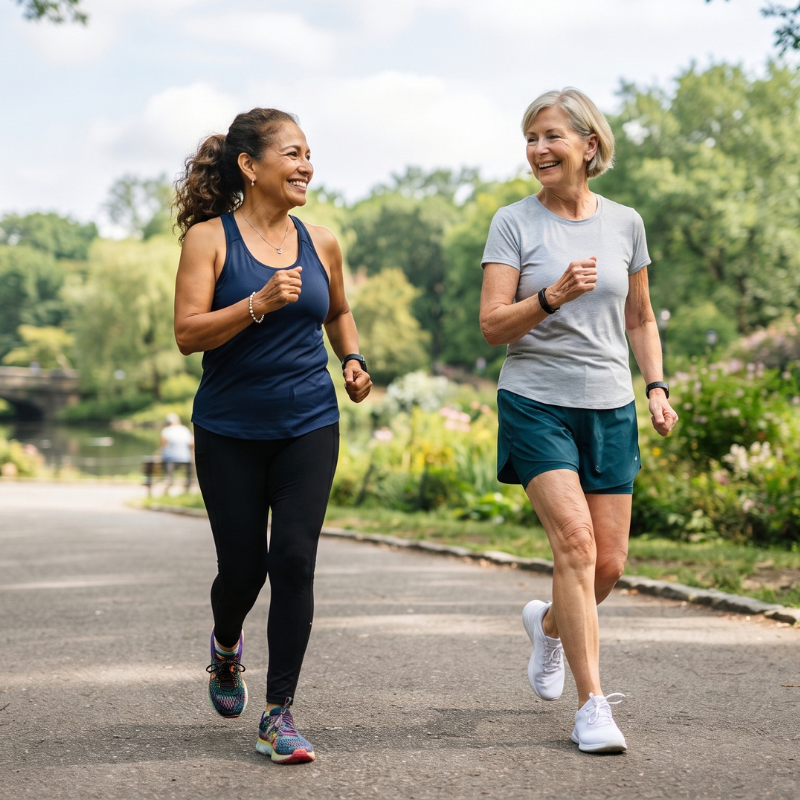
Walking
Gentle cycling
Easy swimming
Chair exercises
Stretching
Mobility work
Tai Chi
Yoga
Deep breathing exercises
Light recreational activities

Active recovery often speeds recovery better than complete inactivity.


Soft Tissue Recovery
Foam rolling
Massage
Massage gun (used appropriately)
Gentle stretching
Heat therapy for stiffness
Ice for acute injuries
Contrast showers
Compression garments
Stress Management

Chronic stress slows recovery.


Helpful techniques include:


Meditation
Mindfulness
Controlled breathing
Spending time outdoors
Listening to relaxing music
Reading
Social interaction
Hobbies
Gratitude journaling
Hormonal Health

Recovery improves when:


Sleep quality improves
Chronic stress decreases
Body weight is maintained appropriately
Nutrition is adequate
Exercise is not excessive
Mobility
Daily stretching
Joint mobility exercises
Balance training
Functional movement practice
Correct posture
Improve flexibility gradually
Environmental Factors
Avoid overheating
Exercise during cooler parts of the day
Wear breathable clothing
Train indoors during extreme weather
Minimize unnecessary physical stress outside workouts
Adaptive Equipment

For individuals with disabilities:


Walking poles
Mobility aids
Adaptive resistance equipment
Recumbent bikes
Seated exercise machines
Aquatic therapy
Transfer assistance devices
Orthotics when appropriate
Recovery Monitoring

Track:


Morning energy
Muscle soreness
Sleep quality
Resting heart rate
Heart rate variability (if available)
Motivation
Pain levels
Walking speed
Balance
Mood
Workout performance
Lifestyle Habits
Maintain a healthy body weight
Stop smoking
Limit alcohol
Stay socially engaged
Spend time outdoors
Get regular sunlight exposure
Maintain daily movement
Avoid prolonged sitting
Age-Specific Recovery Strategies

Older adults often recover better by:


Exercising every other day
Performing shorter sessions (20–45 minutes)
Prioritizing strength over exhaustion
Including balance training
Maintaining adequate protein intake
Paying close attention to hydration
Warming up longer
Cooling down gradually
Strategies for People with Disabilities

Depending on the condition:


Break workouts into shorter sessions
Exercise at times of peak energy
Use interval-style activity
Schedule recovery periods
Use adaptive equipment
Focus on consistency rather than intensity
Incorporate caregiver support when needed
Prioritize functional improvements over athletic performance
Energy Conservation Techniques


Especially useful for people with chronic fatigue, multiple sclerosis, Parkinson's disease, post-stroke recovery, arthritis, or long COVID:


Pace activities throughout the day
Alternate activity with rest
Break large tasks into smaller ones
Sit instead of standing when possible
Prioritize essential activities
Plan demanding tasks during peak energy periods
Avoid exercising to complete exhaustion
Learn to recognize early signs of fatigue
Supplements (only when appropriate and after consulting a healthcare provider)


Evidence varies, but some individuals may benefit from:


Creatine monohydrate
Omega-3 fish oil (or algae-based omega-3 for vegetarians)
Vitamin D (if deficient)
Protein supplements to meet daily needs
Electrolyte supplements during prolonged sweating
Magnesium (if intake is inadequate or deficiency exists)
The Big Picture


Recovery is cumulative. Improving several areas at once—such as sleeping an extra hour, eating enough protein, staying hydrated, reducing workout intensity slightly, and taking active recovery walks—often produces much greater benefits than focusing on any single intervention. For older adults and people with disabilities, the goal is not simply recovering from the last workout, but building enough resilience to exercise consistently over months and years.

Recovery is one of the biggest limiting factors in fitness, especially for older adults, people with disabilities, individuals with chronic illnesses, and those returning to exercise after years of inactivity. Improving recovery isn't about finding one "magic" solution—it's about optimizing dozens of small factors that collectively reduce stress on the body and improve adaptation. Here are many evidence-based strategies organized by category. Exercise Programming Reduce workout intensity Reduce workout duration Increase rest days between workouts Alternate hard and easy days Use split-body routines instead of full-body every session Reduce training volume Reduce the number of exercises Train fewer days per week Increase rest periods between sets Perform fewer sets Perform fewer repetitions Stay 2–4 repetitions short of failure Use Rate of Perceived Exertion (RPE) instead of fixed weights Progress gradually (5–10% increases) Deload every 4–8 weeks Prioritize movement quality over weight lifted Sleep Optimization Sleep 7–9 hours (or more if recovering from illness) Maintain a consistent bedtime Wake at the same time daily Keep the bedroom cool Reduce noise Use blackout curtains Avoid large meals before bed Limit alcohol Avoid caffeine late in the day Reduce screen exposure before bedtime Develop a calming bedtime routine Take short naps when needed Nutrition Protein Consume adequate daily protein Spread protein across meals Include protein after workouts Choose high-quality protein sources Carbohydrates Replace glycogen after exercise Eat carbohydrates before longer workouts Don't overly restrict carbohydrates if recovery is poor Healthy Fats Include omega-3 fatty acids Consume nuts and seeds Eat olive oil Include avocado Hydration Drink water throughout the day Replace fluids lost during exercise Monitor urine color Increase hydration during hot weather Replace electrolytes after heavy sweating Micronutrients Maintain adequate intake of: Vitamin D Calcium Magnesium Potassium Iron (when deficient) Vitamin B12 Folate Zinc Vitamin C Medical ManagementControl blood pressure Manage diabetes Treat anemia Address thyroid disorders Monitor kidney function Treat sleep apnea Review medications with healthcare providers Manage arthritis effectively Treat chronic pain Address depression or anxiety when present Recovery Activities Walking Gentle cycling Easy swimming Chair exercises Stretching Mobility work Tai Chi Yoga Deep breathing exercises Light recreational activities Active recovery often speeds recovery better than complete inactivity. Soft Tissue Recovery Foam rolling Massage Massage gun (used appropriately) Gentle stretching Heat therapy for stiffness Ice for acute injuries Contrast showers Compression garments Stress Management Chronic stress slows recovery.Helpful techniques include: Meditation Mindfulness Controlled breathing Spending time outdoors Listening to relaxing music Reading Social interaction Hobbies Gratitude journaling Hormonal Health Recovery improves when: Sleep quality improves Chronic stress decreases Body weight is maintained appropriately Nutrition is adequate Exercise is not excessive Mobility Daily stretching Joint mobility exercises Balance training Functional movement practice Correct posture Improve flexibility gradually Environmental Factors Avoid overheating Exercise during cooler parts of the day Wear breathable clothing Train indoors during extreme weather Minimize unnecessary physical stress outside workouts Adaptive Equipment For individuals with disabilities: Walking poles Mobility aids Adaptive resistance equipment Recumbent bikes Seated exercise machines Aquatic therapy Transfer assistance devices Orthotics when appropriate Recovery Monitoring Track: Morning energy Muscle soreness Sleep quality Resting heart rate Heart rate variability (if available) Motivation Pain levels Walking speed Balance Mood Workout performance Lifestyle Habits Maintain a healthy body weight Stop smoking Limit alcohol Stay socially engaged Spend time outdoors Get regular sunlight exposure Maintain daily movement Avoid prolonged sitting Age-Specific Recovery Strategies Older adults often recover better by: Exercising every other day Performing shorter sessions (20–45 minutes) Prioritizing strength over exhaustion Including balance training Maintaining adequate protein intake Paying close attention to hydration Warming up longer Cooling down gradually Strategies for People with Disabilities Depending on the condition: Break workouts into shorter sessions Exercise at times of peak energy Use interval-style activity Schedule recovery periods Use adaptive equipment Focus on consistency rather than intensity Incorporate caregiver support when needed Prioritize functional improvements over athletic performance Energy Conservation Techniques Especially useful for people with chronic fatigue, multiple sclerosis, Parkinson's disease, post-stroke recovery, arthritis, or long COVID: Pace activities throughout the day Alternate activity with rest Break large tasks into smaller ones Sit instead of standing when possible Prioritize essential activities Plan demanding tasks during peak energy periods Avoid exercising to complete exhaustion Learn to recognize early signs of fatigue Supplements (only when appropriate and after consulting a healthcare provider) Evidence varies, but some individuals may benefit from: Creatine monohydrate Omega-3 fish oil (or algae-based omega-3 for vegetarians) Vitamin D (if deficient) Protein supplements to meet daily needs Electrolyte supplements during prolonged sweating Magnesium (if intake is inadequate or deficiency exists) The Big Picture Recovery is cumulative. Improving several areas at once—such as sleeping an extra hour, eating enough protein, staying hydrated, reducing workout intensity slightly, and taking active recovery walks—often produces much greater benefits than focusing on any single intervention. For older adults and people with disabilities, the goal is not simply recovering from the last workout, but building enough resilience to exercise consistently over months and years.
0 Comments 0 Shares 258 Views 0 Reviews
Recent Updates
All Countries
  • Recovery Activities: Helping the Body Recover Between Workouts
    Recovery is an essential part of any fitness program. While many people focus on exercise itself, the body's real improvements occur during recovery. Muscles repair, energy stores are replenished, and the nervous system adapts after physical activity. Without adequate recovery, fatigue accumulates, performance declines, and the risk of injury increases. Recovery activities are...
    0 Comments 0 Shares 79 Views 0 Reviews
  • 0 Comments 0 Shares 76 Views 0 Reviews
  • 0 Comments 0 Shares 77 Views 0 Reviews
  • Recovery is one of the biggest limiting factors in fitness, especially for older adults, people with disabilities, individuals with chronic illnesses, and those returning to exercise after years of inactivity. Improving recovery isn't about finding one "magic" solution—it's about optimizing dozens of small factors that collectively reduce stress on the body and improve adaptation.


    Here are many evidence-based strategies organized by category.


    Exercise Programming
    Reduce workout intensity
    Reduce workout duration
    Increase rest days between workouts
    Alternate hard and easy days
    Use split-body routines instead of full-body every session
    Reduce training volume
    Reduce the number of exercises
    Train fewer days per week
    Increase rest periods between sets
    Perform fewer sets
    Perform fewer repetitions
    Stay 2–4 repetitions short of failure
    Use Rate of Perceived Exertion (RPE) instead of fixed weights
    Progress gradually (5–10% increases)
    Deload every 4–8 weeks
    Prioritize movement quality over weight lifted
    Sleep Optimization
    Sleep 7–9 hours (or more if recovering from illness)
    Maintain a consistent bedtime
    Wake at the same time daily
    Keep the bedroom cool
    Reduce noise
    Use blackout curtains
    Avoid large meals before bed
    Limit alcohol
    Avoid caffeine late in the day
    Reduce screen exposure before bedtime
    Develop a calming bedtime routine
    Take short naps when needed
    Nutrition
    Protein
    Consume adequate daily protein
    Spread protein across meals
    Include protein after workouts
    Choose high-quality protein sources
    Carbohydrates
    Replace glycogen after exercise
    Eat carbohydrates before longer workouts
    Don't overly restrict carbohydrates if recovery is poor
    Healthy Fats
    Include omega-3 fatty acids
    Consume nuts and seeds
    Eat olive oil
    Include avocado
    Hydration
    Drink water throughout the day
    Replace fluids lost during exercise
    Monitor urine color
    Increase hydration during hot weather
    Replace electrolytes after heavy sweating
    Micronutrients

    Maintain adequate intake of:


    Vitamin D
    Calcium
    Magnesium
    Potassium
    Iron (when deficient)
    Vitamin B12
    Folate
    Zinc
    Vitamin C

    Medical Management

    Control blood pressure
    Manage diabetes
    Treat anemia
    Address thyroid disorders
    Monitor kidney function
    Treat sleep apnea
    Review medications with healthcare providers
    Manage arthritis effectively
    Treat chronic pain
    Address depression or anxiety when present
    Recovery Activities
    Walking
    Gentle cycling
    Easy swimming
    Chair exercises
    Stretching
    Mobility work
    Tai Chi
    Yoga
    Deep breathing exercises
    Light recreational activities

    Active recovery often speeds recovery better than complete inactivity.


    Soft Tissue Recovery
    Foam rolling
    Massage
    Massage gun (used appropriately)
    Gentle stretching
    Heat therapy for stiffness
    Ice for acute injuries
    Contrast showers
    Compression garments
    Stress Management

    Chronic stress slows recovery.


    Helpful techniques include:


    Meditation
    Mindfulness
    Controlled breathing
    Spending time outdoors
    Listening to relaxing music
    Reading
    Social interaction
    Hobbies
    Gratitude journaling
    Hormonal Health

    Recovery improves when:


    Sleep quality improves
    Chronic stress decreases
    Body weight is maintained appropriately
    Nutrition is adequate
    Exercise is not excessive
    Mobility
    Daily stretching
    Joint mobility exercises
    Balance training
    Functional movement practice
    Correct posture
    Improve flexibility gradually
    Environmental Factors
    Avoid overheating
    Exercise during cooler parts of the day
    Wear breathable clothing
    Train indoors during extreme weather
    Minimize unnecessary physical stress outside workouts
    Adaptive Equipment

    For individuals with disabilities:


    Walking poles
    Mobility aids
    Adaptive resistance equipment
    Recumbent bikes
    Seated exercise machines
    Aquatic therapy
    Transfer assistance devices
    Orthotics when appropriate
    Recovery Monitoring

    Track:


    Morning energy
    Muscle soreness
    Sleep quality
    Resting heart rate
    Heart rate variability (if available)
    Motivation
    Pain levels
    Walking speed
    Balance
    Mood
    Workout performance
    Lifestyle Habits
    Maintain a healthy body weight
    Stop smoking
    Limit alcohol
    Stay socially engaged
    Spend time outdoors
    Get regular sunlight exposure
    Maintain daily movement
    Avoid prolonged sitting
    Age-Specific Recovery Strategies

    Older adults often recover better by:


    Exercising every other day
    Performing shorter sessions (20–45 minutes)
    Prioritizing strength over exhaustion
    Including balance training
    Maintaining adequate protein intake
    Paying close attention to hydration
    Warming up longer
    Cooling down gradually
    Strategies for People with Disabilities

    Depending on the condition:


    Break workouts into shorter sessions
    Exercise at times of peak energy
    Use interval-style activity
    Schedule recovery periods
    Use adaptive equipment
    Focus on consistency rather than intensity
    Incorporate caregiver support when needed
    Prioritize functional improvements over athletic performance
    Energy Conservation Techniques


    Especially useful for people with chronic fatigue, multiple sclerosis, Parkinson's disease, post-stroke recovery, arthritis, or long COVID:


    Pace activities throughout the day
    Alternate activity with rest
    Break large tasks into smaller ones
    Sit instead of standing when possible
    Prioritize essential activities
    Plan demanding tasks during peak energy periods
    Avoid exercising to complete exhaustion
    Learn to recognize early signs of fatigue
    Supplements (only when appropriate and after consulting a healthcare provider)


    Evidence varies, but some individuals may benefit from:


    Creatine monohydrate
    Omega-3 fish oil (or algae-based omega-3 for vegetarians)
    Vitamin D (if deficient)
    Protein supplements to meet daily needs
    Electrolyte supplements during prolonged sweating
    Magnesium (if intake is inadequate or deficiency exists)
    The Big Picture


    Recovery is cumulative. Improving several areas at once—such as sleeping an extra hour, eating enough protein, staying hydrated, reducing workout intensity slightly, and taking active recovery walks—often produces much greater benefits than focusing on any single intervention. For older adults and people with disabilities, the goal is not simply recovering from the last workout, but building enough resilience to exercise consistently over months and years.

    Recovery is one of the biggest limiting factors in fitness, especially for older adults, people with disabilities, individuals with chronic illnesses, and those returning to exercise after years of inactivity. Improving recovery isn't about finding one "magic" solution—it's about optimizing dozens of small factors that collectively reduce stress on the body and improve adaptation. Here are many evidence-based strategies organized by category. Exercise Programming Reduce workout intensity Reduce workout duration Increase rest days between workouts Alternate hard and easy days Use split-body routines instead of full-body every session Reduce training volume Reduce the number of exercises Train fewer days per week Increase rest periods between sets Perform fewer sets Perform fewer repetitions Stay 2–4 repetitions short of failure Use Rate of Perceived Exertion (RPE) instead of fixed weights Progress gradually (5–10% increases) Deload every 4–8 weeks Prioritize movement quality over weight lifted Sleep Optimization Sleep 7–9 hours (or more if recovering from illness) Maintain a consistent bedtime Wake at the same time daily Keep the bedroom cool Reduce noise Use blackout curtains Avoid large meals before bed Limit alcohol Avoid caffeine late in the day Reduce screen exposure before bedtime Develop a calming bedtime routine Take short naps when needed Nutrition Protein Consume adequate daily protein Spread protein across meals Include protein after workouts Choose high-quality protein sources Carbohydrates Replace glycogen after exercise Eat carbohydrates before longer workouts Don't overly restrict carbohydrates if recovery is poor Healthy Fats Include omega-3 fatty acids Consume nuts and seeds Eat olive oil Include avocado Hydration Drink water throughout the day Replace fluids lost during exercise Monitor urine color Increase hydration during hot weather Replace electrolytes after heavy sweating Micronutrients Maintain adequate intake of: Vitamin D Calcium Magnesium Potassium Iron (when deficient) Vitamin B12 Folate Zinc Vitamin C Medical ManagementControl blood pressure Manage diabetes Treat anemia Address thyroid disorders Monitor kidney function Treat sleep apnea Review medications with healthcare providers Manage arthritis effectively Treat chronic pain Address depression or anxiety when present Recovery Activities Walking Gentle cycling Easy swimming Chair exercises Stretching Mobility work Tai Chi Yoga Deep breathing exercises Light recreational activities Active recovery often speeds recovery better than complete inactivity. Soft Tissue Recovery Foam rolling Massage Massage gun (used appropriately) Gentle stretching Heat therapy for stiffness Ice for acute injuries Contrast showers Compression garments Stress Management Chronic stress slows recovery.Helpful techniques include: Meditation Mindfulness Controlled breathing Spending time outdoors Listening to relaxing music Reading Social interaction Hobbies Gratitude journaling Hormonal Health Recovery improves when: Sleep quality improves Chronic stress decreases Body weight is maintained appropriately Nutrition is adequate Exercise is not excessive Mobility Daily stretching Joint mobility exercises Balance training Functional movement practice Correct posture Improve flexibility gradually Environmental Factors Avoid overheating Exercise during cooler parts of the day Wear breathable clothing Train indoors during extreme weather Minimize unnecessary physical stress outside workouts Adaptive Equipment For individuals with disabilities: Walking poles Mobility aids Adaptive resistance equipment Recumbent bikes Seated exercise machines Aquatic therapy Transfer assistance devices Orthotics when appropriate Recovery Monitoring Track: Morning energy Muscle soreness Sleep quality Resting heart rate Heart rate variability (if available) Motivation Pain levels Walking speed Balance Mood Workout performance Lifestyle Habits Maintain a healthy body weight Stop smoking Limit alcohol Stay socially engaged Spend time outdoors Get regular sunlight exposure Maintain daily movement Avoid prolonged sitting Age-Specific Recovery Strategies Older adults often recover better by: Exercising every other day Performing shorter sessions (20–45 minutes) Prioritizing strength over exhaustion Including balance training Maintaining adequate protein intake Paying close attention to hydration Warming up longer Cooling down gradually Strategies for People with Disabilities Depending on the condition: Break workouts into shorter sessions Exercise at times of peak energy Use interval-style activity Schedule recovery periods Use adaptive equipment Focus on consistency rather than intensity Incorporate caregiver support when needed Prioritize functional improvements over athletic performance Energy Conservation Techniques Especially useful for people with chronic fatigue, multiple sclerosis, Parkinson's disease, post-stroke recovery, arthritis, or long COVID: Pace activities throughout the day Alternate activity with rest Break large tasks into smaller ones Sit instead of standing when possible Prioritize essential activities Plan demanding tasks during peak energy periods Avoid exercising to complete exhaustion Learn to recognize early signs of fatigue Supplements (only when appropriate and after consulting a healthcare provider) Evidence varies, but some individuals may benefit from: Creatine monohydrate Omega-3 fish oil (or algae-based omega-3 for vegetarians) Vitamin D (if deficient) Protein supplements to meet daily needs Electrolyte supplements during prolonged sweating Magnesium (if intake is inadequate or deficiency exists) The Big Picture Recovery is cumulative. Improving several areas at once—such as sleeping an extra hour, eating enough protein, staying hydrated, reducing workout intensity slightly, and taking active recovery walks—often produces much greater benefits than focusing on any single intervention. For older adults and people with disabilities, the goal is not simply recovering from the last workout, but building enough resilience to exercise consistently over months and years.
    0 Comments 0 Shares 258 Views 0 Reviews
  • My pre-workout routine involves walking my dogs. I gets things moving. Today, I went to the club to work on arms and then a 5 mile bike ride through campus. Was exhausted so I realize that I need to learn more about recovery.
    My pre-workout routine involves walking my dogs. I gets things moving. Today, I went to the club to work on arms and then a 5 mile bike ride through campus. Was exhausted so I realize that I need to learn more about recovery.
    0 Comments 0 Shares 87 Views 0 Reviews
  • 1
    Aug
    Online Event
    PowerBaseline Invitational is an online introduction to the program where you'll learn its goals, structure, and expectations. At the conclusion, you'll have the opportunity to schedule your Initial Assessment and Movement Screening and begin your PowerBaseline journey.
    0 Comments 0 Shares 307 Views 0 Reviews
  • You are smarter, stronger and more interesting than you may think about yourself. Be strong. Be fit. Be happy.
    You are smarter, stronger and more interesting than you may think about yourself. Be strong. Be fit. Be happy.
    0 Comments 0 Shares 305 Views 0 Reviews
  • 0 Comments 0 Shares 406 Views 0 Reviews
  • 0 Comments 0 Shares 412 Views 0 Reviews
  • 0 Comments 0 Shares 409 Views 0 Reviews
  • Take a brisk 15-minute walk today. Maintain good posture, swing your arms naturally, and finish with gentle calf, hamstring, and shoulder stretches. #StrengthTraining
    Take a brisk 15-minute walk today. Maintain good posture, swing your arms naturally, and finish with gentle calf, hamstring, and shoulder stretches. #StrengthTraining
    0 Comments 0 Shares 426 Views 0 Reviews
  • HEALTH HISTORY QUESTIONNAIRE
    HEALTH HISTORY QUESTIONNAIRE
    File Type: pdf
    0 Comments 0 Shares 406 Views 0 Reviews
More Stories
Laura Artman, MBA LE CPT https://lauraartman.com