
Welcome to the 70–90 Club podcast. This is Laura Artman and today I’m talking about harmony after 50. Harmony is the steady balance of mood, sleep, movement, and connection. As we age, that balance can slip, and depression can set in. Researchers at Harvard, UCLA, and the University of Washington have studied what pulls harmony apart and what restores it. First, what disrupts it. A UCLA review found that hormonal, genetic, inflammatory, metabolic, neural, and cardiovascular processes all interact to affect the risk of late-life depression.
The same review reports that insecure attachment and certain personality factors raise that risk. Sleep matters too. A 2025 UCLA trial found that older adults with insomnia showed an exaggerated depressive response to inflammation, compared with older adults without insomnia. Movement matters.
Harvard and Massachusetts General Hospital researchers found that more measured physical activity protects against major depression. And in the Harvard Nurses’ Health Study, women living in the greenest surroundings had a 13 percent lower risk of depression than women in the least green. Now, what restores harmony. Here are the best-supported actions.
Number one, treat insomnia. In a UCLA trial of 291 adults age 60 and older, cognitive behavioral therapy for insomnia cut depression. Depression developed or returned in 12.2 percent of that group, compared with 25.9 percent of the group that received sleep education. When insomnia stayed in remission for three years, the likelihood of developing depression fell by 83 percent.
Number two, try Tai Chi. In another UCLA trial, adults 60 and older with major depression who were taking an antidepressant joined either weekly Tai Chi Chih classes or health education classes for 12 weeks. Both groups improved, and Tai Chi Chih was better for general health.
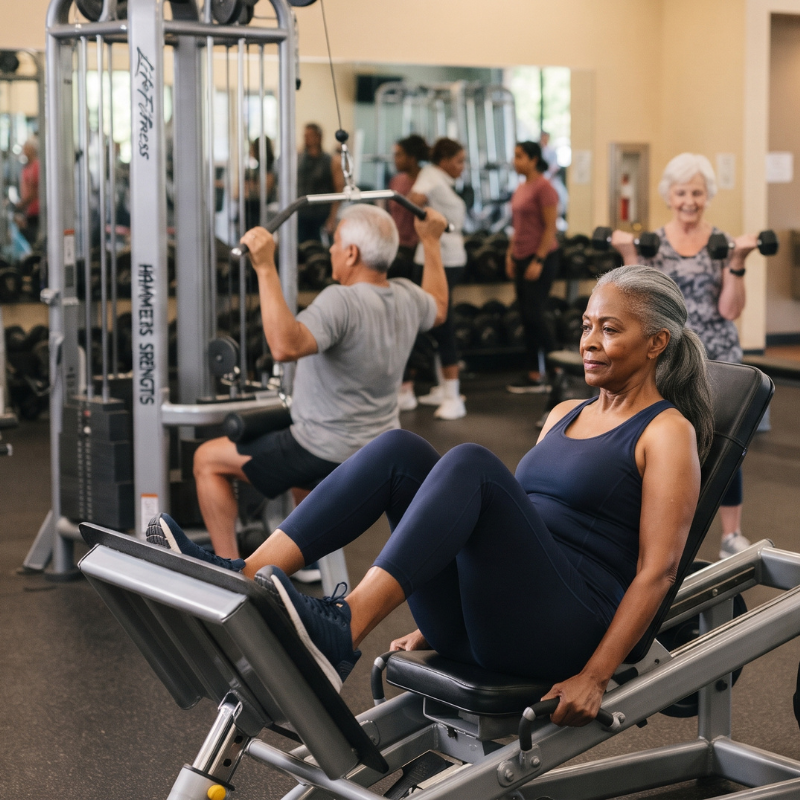
Number three, move every day. The Harvard research found that about 15 minutes of running, or about an hour of moderate activity like walking or gardening, in place of sitting, was linked to 26 percent lower odds of depression. You don’t need marathons.
Number four, step outside. Parks, gardens, and tree-lined streets were linked to lower depression risk, and that link did not appear to be explained by physical activity.
Number five, build a care team. A University of Washington study of collaborative care found that adults 65 and older improved significantly, with a depression score drop 2.06 points greater than younger adults.
Number six, explore mind-body practices. A UCLA review says meditation, yoga, and tai chi show promise. One thing that did not help: vitamin D. In a trial of more than 18,000 adults age 50 and older, vitamin D3 did not prevent depression.
Harmony doesn’t return all at once. Start with sleep, add daily movement, try a Tai Chi class, and spend time outdoors. If depression symptoms persist, talk with your doctor about treatment.
Thank you for listening. Join the conversation using hashtag 70-90-fitness. Contact Laura Artman Certified Personal Trainer to learn more. Laura Artman dot com. once again that is Laura Artman dot com