

Transcript
Welcome to the 70–90 Club podcast. This is Laura Artman, and today I’m talking about something that could make a big difference in how you feel every day: your gut health.
What if I told you that improving your gut microbiome doesn’t require an extreme diet, expensive supplements, or a complete overhaul of your eating habits? Research suggests that just one simple dietary change could start making measurable differences in your gut bacteria in as little as four weeks.
Let’s talk about prebiotic fiber and three fascinating findings from recent clinical research.
Most Americans consume fewer than 15 grams of fiber a day. That’s a problem because fiber isn’t just important for keeping you regular. It’s also food for the trillions of microorganisms living in your digestive system.
In a 2022 UC Davis study, researchers asked 20 healthy young adults to add just 12 grams of prebiotic fiber to their daily diets for four weeks.
The results were impressive. Researchers observed increases in several beneficial bacteria, including different species of Bifidobacterium. They also found increased levels of indolepropionate, a compound produced by gut bacteria with antioxidant and anti-inflammatory properties.
Your gut is more than a digestive system. It also acts as a protective barrier between your intestinal contents and your bloodstream.
In a 2025 follow-up study, researchers examined a blood marker called lipopolysaccharide-binding protein, or LBP.
Participants who started with elevated LBP levels experienced a significant reduction after four weeks of consuming 12 grams of prebiotic fiber daily. Their average levels dropped from approximately 9.27 to 7.02 micrograms per milliliter.
This suggests that increasing prebiotic fiber may help support gut barrier health, particularly in people with elevated levels of this marker.
Now, let’s move from supplements to something you can pick up at your grocery store: an avocado!
A 2025 UCLA-affiliated study examined what happened when adults with abdominal obesity ate one whole avocado every day for 26 weeks.
Researchers found that gut microbial diversity increased within just four weeks, and those improvements continued throughout the study.
By week 26, researchers also observed an increase in Faecalibacterium prausnitzii, an important gut bacterium that produces butyrate.
Why is butyrate important? It’s a short-chain fatty acid that helps nourish the cells lining your colon and supports intestinal health.
Interestingly, the strongest microbiome benefits appeared among participants who started the study with lower-quality diets.
So, what can we learn from these three studies?
You don’t need a complicated nutrition plan to start supporting your gut health.
Start with simple, consistent habits. Add more fiber-rich foods to your meals. Include avocados, beans, oats, vegetables, and fruit. Increase your fiber intake gradually, and drink enough water.
Remember, your gut microbiome responds to what you eat. And while four weeks isn’t a magic cure, it’s encouraging to see how quickly measurable changes can happen.
Think of fiber as nourishment for your gut’s own ecosystem. Feed those beneficial bacteria, and you’re investing in your long-term health.
Thank you for listening. Join the conversation using hashtag 70-90-fitness.
Contact Laura Artman, Certified Personal Trainer, to learn more. Laura Artman dot com. Once again, that is Laura Artman dot com.
Related Posts








Transcript
Welcome to the 70–90 Club podcast. This is Laura Artman, and today I’m talking about something that could make a big difference in how you feel every day: your gut health.
What if I told you that improving your gut microbiome doesn’t require an extreme diet, expensive supplements, or a complete overhaul of your eating habits? Research suggests that just one simple dietary change could start making measurable differences in your gut bacteria in as little as four weeks.
Let’s talk about prebiotic fiber and three fascinating findings from recent clinical research.
Most Americans consume fewer than 15 grams of fiber a day. That’s a problem because fiber isn’t just important for keeping you regular. It’s also food for the trillions of microorganisms living in your digestive system.
In a 2022 UC Davis study, researchers asked 20 healthy young adults to add just 12 grams of prebiotic fiber to their daily diets for four weeks.
The results were impressive. Researchers observed increases in several beneficial bacteria, including different species of Bifidobacterium. They also found increased levels of indolepropionate, a compound produced by gut bacteria with antioxidant and anti-inflammatory properties.
Your gut is more than a digestive system. It also acts as a protective barrier between your intestinal contents and your bloodstream.
In a 2025 follow-up study, researchers examined a blood marker called lipopolysaccharide-binding protein, or LBP.
Participants who started with elevated LBP levels experienced a significant reduction after four weeks of consuming 12 grams of prebiotic fiber daily. Their average levels dropped from approximately 9.27 to 7.02 micrograms per milliliter.
This suggests that increasing prebiotic fiber may help support gut barrier health, particularly in people with elevated levels of this marker.
Now, let’s move from supplements to something you can pick up at your grocery store: an avocado!
A 2025 UCLA-affiliated study examined what happened when adults with abdominal obesity ate one whole avocado every day for 26 weeks.
Researchers found that gut microbial diversity increased within just four weeks, and those improvements continued throughout the study.
By week 26, researchers also observed an increase in Faecalibacterium prausnitzii, an important gut bacterium that produces butyrate.
Why is butyrate important? It’s a short-chain fatty acid that helps nourish the cells lining your colon and supports intestinal health.
Interestingly, the strongest microbiome benefits appeared among participants who started the study with lower-quality diets.
So, what can we learn from these three studies?
You don’t need a complicated nutrition plan to start supporting your gut health.
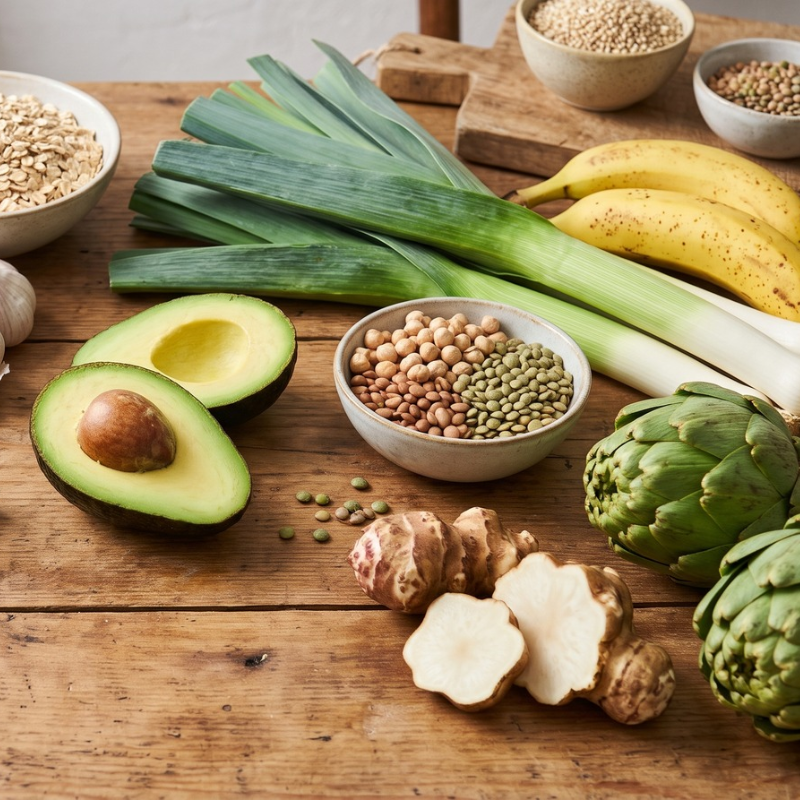
Start with simple, consistent habits. Add more fiber-rich foods to your meals. Include avocados, beans, oats, vegetables, and fruit. Increase your fiber intake gradually, and drink enough water.
Remember, your gut microbiome responds to what you eat. And while four weeks isn’t a magic cure, it’s encouraging to see how quickly measurable changes can happen.
Think of fiber as nourishment for your gut’s own ecosystem. Feed those beneficial bacteria, and you’re investing in your long-term health.
Thank you for listening. Join the conversation using hashtag 70-90-fitness.
Contact Laura Artman, Certified Personal Trainer, to learn more. Laura Artman dot com. Once again, that is Laura Artman dot com.