


Antioxidants: 5 Surprising Truths Revealed by a Groundbreaking Stanford Study
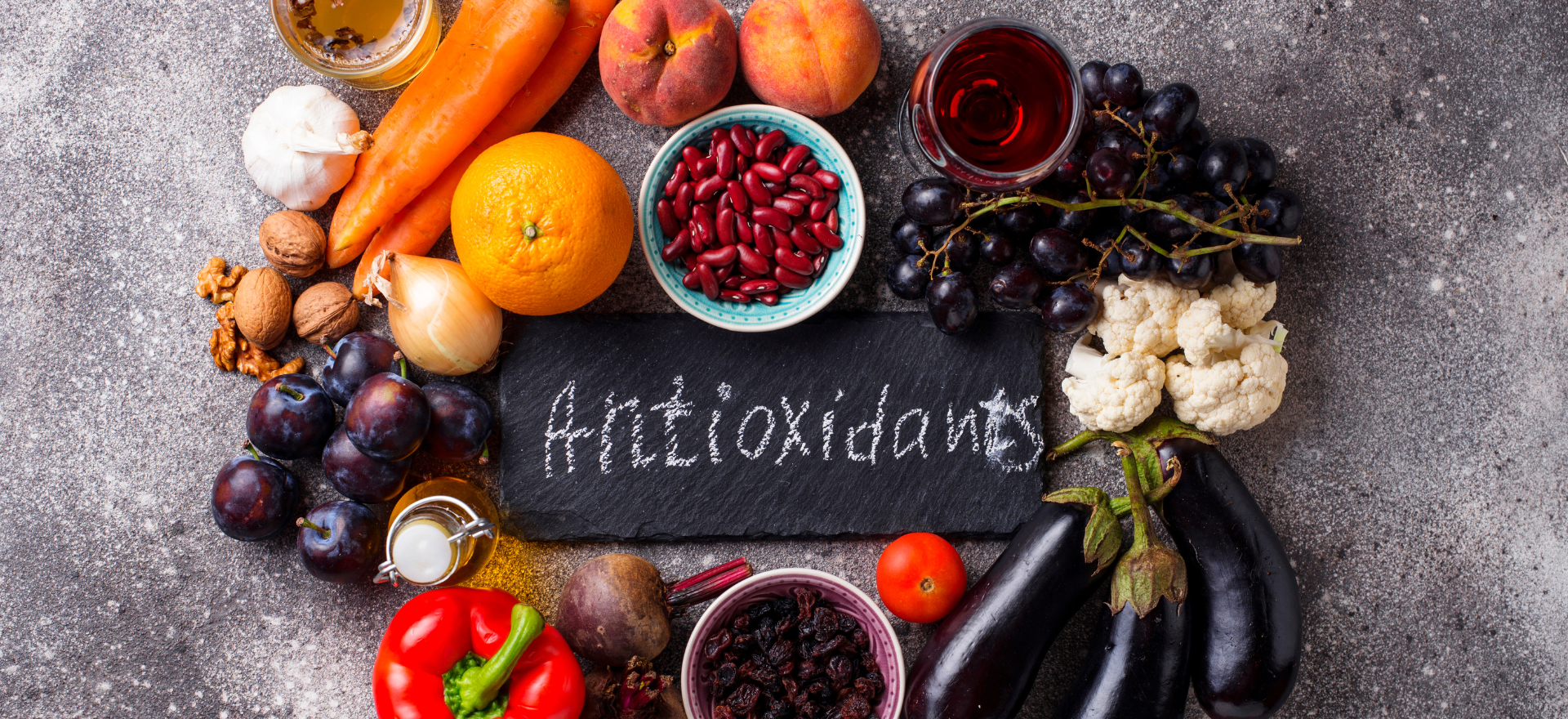
For years, antioxidant supplements have lined pharmacy shelves promising to fight inflammation, protect your heart, and keep you healthier for longer. Vitamin C, vitamin E, and carotenoid pills are a multi-billion-dollar industry built on a simple idea: if antioxidant-rich foods are good for you, then concentrated antioxidants in a capsule must be even better.
But what does the science actually say? Researchers at the Stanford Prevention Research Center set out to answer that question directly, and their findings challenge some of the most common assumptions about antioxidant supplementation. Here's what the study found — and what it means for how you should think about antioxidants going forward.
Why Stanford Researchers Investigated Antioxidants
The motivation behind the study was straightforward. Observational research had linked dietary intake of antioxidants like vitamin C, carotenoids, and vitamin E, along with antioxidant-rich eating patterns such as the Mediterranean diet, to lower levels of inflammation. Yet clinical trials testing antioxidant foods or supplements had produced inconsistent results. Despite that murky evidence, antioxidant supplements remain extremely popular across the United States.
That gap between popular belief and scientific certainty is exactly what the Stanford team wanted to close. Their goal was to directly compare antioxidants obtained from whole foods against antioxidants taken in pill form, measuring their effects on inflammation markers in healthy adults already at risk for cardiovascular disease.
How the Study Was Designed
The trial wasn't a small, casual survey — it was a carefully controlled 8-week clinical trial. Eighty-eight adults were randomly assigned to one of three groups: a usual diet paired with a placebo pill, a usual diet paired with an antioxidant supplement, or an increased intake of antioxidant-rich foods paired with a placebo pill.
Participants weren't left to guess what "eating more antioxidants" meant. Those assigned to the food-based group worked with a registered dietitian, attending a group class and a one-on-one session to learn how to double their antioxidant intake through vegetables, fruits, nuts, seeds, oils, and whole grains.
To track results with real precision, all participants attended three clinic visits — at baseline, 4 weeks, and 8 weeks — where researchers collected blood samples, blood pressure readings, and body measurements to assess three specific inflammatory markers (IL-6, sICAM-1, and MCP-1), along with other indicators of cardiovascular health. Diet adherence was verified through 24-hour dietary recalls at each visit. This is the kind of rigorous design that separates real evidence from wishful thinking.
The Surprising Result: No Clear Winner
Here's where the study delivers its biggest surprise. Neither the food-based antioxidants nor the supplement pills produced any measurable improvement in the inflammatory markers researchers tracked. In other words, doubling antioxidant intake — whether through broccoli and berries or through a bottle of pills — didn't move the needle on inflammation in this study population.
That's a notable finding, especially given how aggressively antioxidant supplements are marketed as anti-inflammatory powerhouses. It suggests that the leap from "antioxidant-rich diets are associated with lower inflammation" to "taking antioxidants reduces inflammation" isn't as simple as it sounds.
Why the Results Might Not Be the Whole Story
Importantly, the Stanford researchers didn't conclude that antioxidants are useless — they pointed to specific reasons the results may have looked the way they did. Participants in the study weren't selected based on having elevated inflammation at baseline, which meant there was little room for measurable improvement. The researchers raised two possibilities worth remembering: antioxidants might have a more meaningful anti-inflammatory effect in people who already have higher baseline inflammation, or larger doses than those used in the study might be necessary to see any benefit.
This nuance matters. It means the study isn't a blanket verdict against antioxidants — it's a signal that generally healthy people without significant inflammation may simply not have much inflammation left to reduce.
What This Means for Your Antioxidant Routine
So where does this leave you if you're staring at a bottle of vitamin C gummies or wondering whether to add more colorful produce to your plate?
- Don't expect supplements to outperform food. The study found no advantage to antioxidant pills over antioxidant-rich foods — and food comes with fiber, phytonutrients, and other benefits pills simply can't replicate.
- Healthy individuals may see limited inflammatory benefit. If your inflammation markers are already normal, adding more antioxidants — from any source — may not produce a measurable change.
- Context matters more than dosage alone. People with existing inflammatory conditions may respond differently than the generally healthy participants in this trial.
- Whole foods remain the safer bet. Since supplements showed no advantage, there's little reason to reach for a pill when a colorful diet delivers the same (lack of) measurable inflammatory benefit — plus everything else nutritious food provides.
- More research is needed. This was a modest, 8-week study. Larger, longer trials — especially ones involving people with elevated baseline inflammation — could tell a different story.
The Bottom Line
The Stanford antioxidant study is a useful reality check in a supplement market driven more by marketing than evidence. Rather than assuming antioxidant pills are a shortcut to lower inflammation, the science suggests a more grounded approach: eat a varied, plant-forward diet, and don't expect a capsule to outperform what's already on your plate. As with so much in nutrition science, the real answer is nuanced — and more research will be needed before antioxidants earn a definitive verdict.
Potential Health Benefits of Dietary Antioxidants from Supplements vs. Foods
Πιστοποιημένοι χρήστες
 Greek
Greek
 English
 Arabic
 French
 Spanish
 Portuguese
 Deutsch
 Turkish
 Dutch
Dutch
 Italiano
 Russian
 Romaian
 Portuguese (Brazil)